
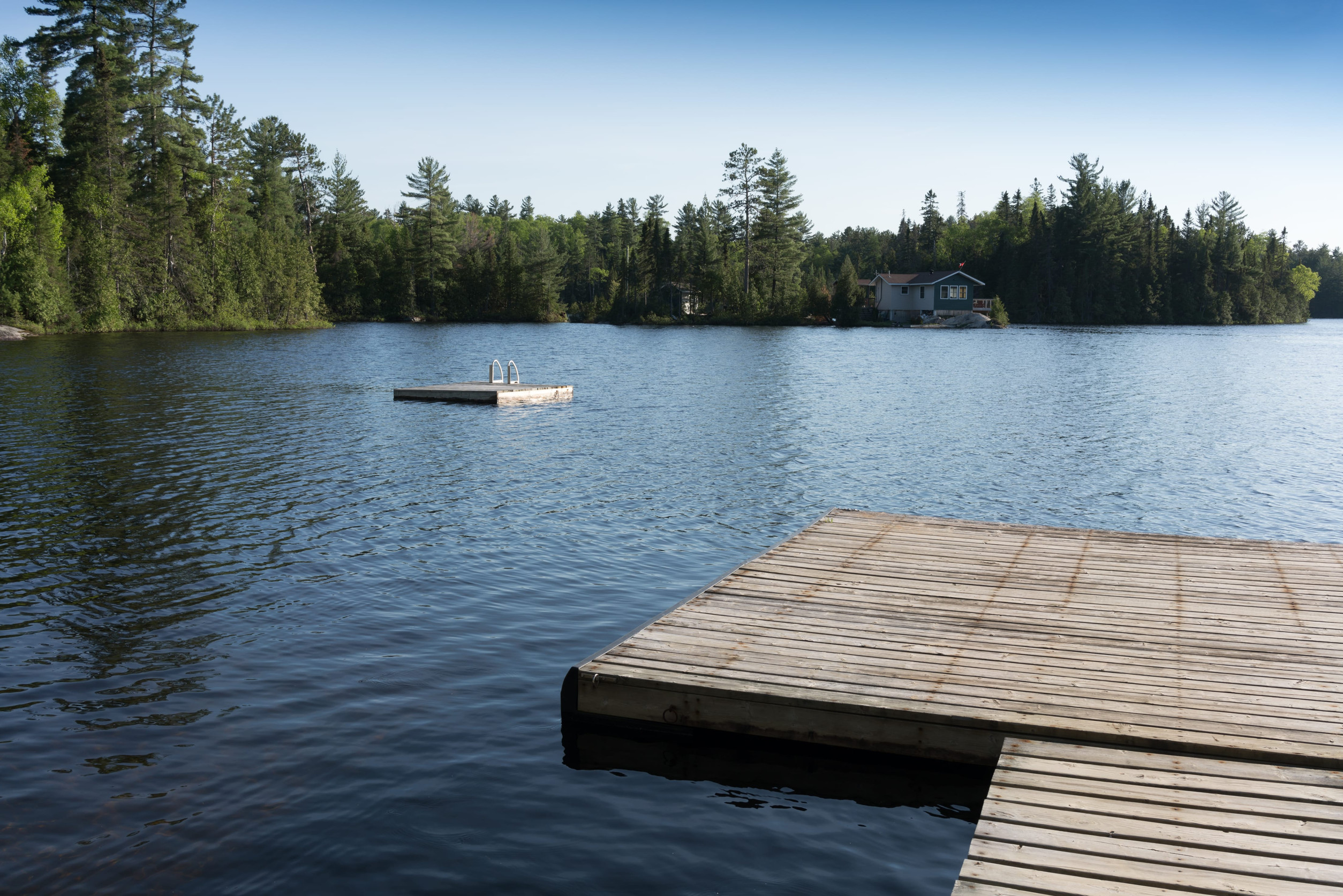
There is something uniquely appealing about owning a Minnesota cabin. Maybe it is a quiet place on the lake where your family can spend summer weekends.
Maybe it is a hunting cabin tucked into the woods. It is a year-round retreat, or a recreational property you hope to pass down someday. Additionally, for peace of mind, title insurance can protect your investment.
If you have a vision for a cabin in Minnesota, buying it involves more than the right view.
It also covers shoreline, acreage, or location.
Cabins, lake homes, rural parcels, and seasonal properties can raise title questions that differ from those linked to a typical home in a residential subdivision. When you obtain title insurance, these concerns often center on ownership and boundary issues, and they may require additional documentation to verify claims.
Older property records, family ownership transfers, private roads, shared lake access, easements, unusual legal descriptions, and shoreline‑related rights can all become part of the picture, influencing how clear a title is and whether extra protections are advisable.
That does not mean purchasing a Minnesota recreational property has to be complicated. It does mean buyers should understand what they are actually purchasing before closing.
A thorough lake property title search can help identify recorded ownership interests, liens, easements, access rights, restrictions, and other matters affecting the property. Reviewing those details early gives buyers an opportunity to ask questions before the keys—and the cabin—become theirs.
Here are some of the most important title considerations Minnesota cabin buyers should keep in mind.
A cabin purchase is still a real estate transaction, but the property itself may have a much different history than a newer home in town.
Many cabins and lake properties have been owned by the same family for decades. Some parcels were divided long ago. Others may rely on a private road or shared driveway for access. Lake access may be direct, shared, or provided through a recorded easement.
A Minnesota cabin title may therefore involve documents dating back many years.
Depending on the property, title research may uncover:
The title process helps bring those details into focus before ownership transfers.
This may sound obvious, but cabin ownership can become complicated when a property has stayed in a family for generations.
Imagine a cabin originally purchased by grandparents decades ago. Over time, ownership may have passed to children, grandchildren, a trust, an estate, or several family members.
Everyone in the family may think they understand who owns the cabin.
The recorded documents need to tell the same story.
Potential issues can arise when:
These issues do not automatically stop a sale, but they may require additional documentation before the appropriate parties can transfer the property.
For anyone buying a cabin in Minnesota, confirming the ownership chain is an important part of the title examination.
A beautiful cabin is not nearly as useful if accessing it requires crossing someone else’s property without a documented right to do so.
Many rural and recreational properties are reached by:
The driveway you use during a showing may have existed for 50 years, but physical use alone does not tell you everything about the legal rights attached to it.
An easement generally gives someone a defined legal right to use another person’s land for a particular purpose.
For a cabin, an access easement might allow the owner to travel across a neighboring parcel to reach the property.
Buyers should understand:
Access is particularly important with remote Minnesota recreational property.
If the cabin depends on a private road, do not assume the road you drove in on automatically comes with unrestricted legal access.
Few phrases attract Minnesota cabin buyers faster than “lake access.”
But lake access can mean very different things from one property to another.
A cabin may:
Those arrangements are not interchangeable.
If water access is important to your purchase, make sure you understand what property rights actually exist.
Questions may include:
Minnesota recognizes property rights associated with shore land ownership, but legal water access depends heavily on the actual property and recorded rights involved.
A lake property title search can help identify recorded documents affecting those rights.
Lake and rural properties can have more easements than buyers initially realize.
In addition to road or lake-access easements, a property might have recorded rights involving:
Many easements are completely ordinary and have little effect on everyday cabin use.
The important question is whether an easement interferes with your plans.
For example, suppose you are purchasing a cabin with enough land to build a detached garage. If a utility or access easement crosses the location where you hope to build, you will want to understand that before beginning the project.
The existence of an easement should not automatically alarm you. It should prompt you to understand what rights exist and where they apply.
Cabin properties sometimes have physical boundaries that look obvious but do not perfectly match the legal description.
A fence, tree line, old trail, driveway, dock, or neighboring structure might seem to mark the edge of a property.
It may not.
Boundary issues can become particularly important with:
A title search examines recorded information, but it is not the same thing as a current land survey.
Depending on the property and your plans, a survey may help clarify:
If you plan to build, expand the cabin, install a garage, replace a fence, or make other significant improvements, understanding the boundaries before closing can be especially useful.
Title and zoning are separate issues, but both can affect the way you use a Minnesota cabin.
Owning property on the water does not automatically mean you can build, remodel, add structures, or alter the shoreline however you choose.
Minnesota shore land standards address matters such as setbacks and development near lakes and rivers, while local cities, counties, and townships administer shore land regulations through their own ordinances. Local requirements may be more restrictive than state minimum standards.
Before purchasing a cabin based on plans for future improvements, consider verifying whether those plans are actually feasible.
Examples might include:
A title company researches ownership and recorded interests, while local zoning officials are generally the appropriate resource for questions about allowable future development.
Understanding both sides can help prevent unwelcome surprises.
A Minnesota cabin title can also be affected by mortgages and liens.
Existing mortgages are common and can often be paid through the normal closing process.
Other issues may require additional attention.
A title search might identify:
Suppose a cabin owner paid off a mortgage 20 years ago, but the proper satisfaction was never clearly recorded.
The title record may still show the old mortgage.
That does not necessarily mean the seller owes the loan again. It may mean additional documentation is needed to establish that the obligation was satisfied and clear the title requirement.
Older recreational properties can have long title histories, which makes careful record examination especially valuable.
Access and road maintenance are related but separate issues.
A recorded easement may establish your legal right to use a private road. It does not necessarily answer every question about who maintains it.
For a remote cabin, practical questions may include:
Some of these arrangements may be addressed through recorded agreements. Others may require additional investigation outside the title documents.
If year-round access matters, this becomes particularly important.
A road that works perfectly during a July showing may present a very different experience in January.
Another issue sometimes encountered in rural Minnesota property involves rights that were previously reserved or separated from ownership of the surface land.
A previous owner may have transferred or retained certain interests, including mineral rights.
This does not necessarily affect every cabin property or prevent a sale.
However, buyers should avoid assuming that every possible property right is automatically included with surface ownership.
If the title commitment identifies reservations or other unfamiliar interests, ask what the document says and whether it is relevant to your intended use of the property.
Cabins can also be subject to recorded restrictions.
Depending on the property, these may address issues such as:
A restriction may have very little effect on a buyer who simply wants to use an existing cabin as a weekend retreat.
The same restriction could become important for someone hoping to substantially expand or change the property.
Read the applicable recorded documents rather than assuming the property can be used in any particular way.
A thorough title search is designed to identify ownership interests and recorded matters before closing.
Cabin title insurance serves a related but different purpose.
Title insurance can provide protection against certain covered title defects that existed before closing but were unknown when the transaction occurred, subject to the policy’s terms, exclusions, and exceptions.
Common title risks can involve issues such as:
If you finance the cabin, the lender may require a lender’s title insurance policy.
That policy protects the lender’s insured interest.
An owner’s title insurance policy protects the buyer’s insured ownership interest against covered title problems.
The two policies serve different purposes.
For buyers purchasing a cabin that has a long or complicated ownership history, understanding that distinction is particularly important.
As your cabin closing Minnesota date approaches, take time to review the title-related information you receive.
A practical checklist includes:
Do not wait until the closing appointment to raise a question you noticed earlier.
More time usually means more opportunity to investigate and clarify an issue.
This distinction is especially important when buying a cabin in Minnesota.
A title search may confirm that you own a parcel extending to the lake. That does not automatically mean local zoning allows you to construct a new building near the shoreline.
Similarly, the absence of a title restriction does not automatically mean a planned addition meets setback, septic, impervious-surface, or local land-use requirements.
Title professionals, surveyors, local zoning authorities, attorneys, and other specialists serve different roles.
Buyers planning significant changes to a cabin should make sure they are asking the right professional the right question.
It is easy to fall in love with the cabin itself.
Maybe it has the perfect screened porch, a beautiful view across the lake, mature pines, or a fire pit where you can already picture summer evenings.
But you’re buying more than the structure.
You’re also purchasing a collection of legal property rights.
Those rights determine things such as:
That is why title work is an important part of purchasing Minnesota recreational property.
The best time to understand those details is before closing—not after you discover that your assumptions about the property were different from the legal record.
Buying a cabin in Minnesota should be exciting, whether you’re purchasing a small fishing cabin, a family lake retreat, wooded acreage, or a year-round recreational property.
A careful title process helps keep the excitement grounded in accurate information.
Cabins and lake properties may involve long family ownership histories, private access roads, shared waterfront, easements, unusual legal descriptions, old liens, boundary considerations, and other recorded interests that are not obvious during a property showing.
A lake property title search helps identify those matters so buyers can understand what they are purchasing and what must be addressed before closing.
Not every easement, restriction, or unusual document represents a problem. Many are ordinary parts of owning rural and lake shore real estate.
What matters is knowing they exist.
For Minnesota cabin buyers, understanding the title is an important part of understanding the property itself—and an important step toward a well-informed closing.
All Seasons Title provides professional title and closing services for residential and commercial real estate transactions throughout Minnesota. The company works with home buyers, sellers, REALTORS®, lenders, attorneys, builders, developers, and investors.
All Seasons Title
100 Forest Avenue East
Mora, MN 55051
Phone: (320) 209-7145
Email: orders@allseasonstitle.com
Hours: Monday-Friday, 8:00 a.m.-5:00 p.m.